
English 

Views: 0 Author: Site Editor Publish Time: 2026-07-26 Origin: Site


Food storage forces a frustrating compromise. You choose between heavy, fragile all-glass containers, opaque all-metal options that hide ingredients, or health-compromising plastics and disposable wraps. Opaque metal storage leads to wasted food and inefficient inventory checks because you cannot see what is inside without breaking the seal. All-glass containers eliminate the visibility issue but introduce severe physical limitations, including excessive weight and high breakage risks during transit or busy kitchen prep. Storing produce in plastic bags or containers accelerates degradation while risking chemical leaching. A hybrid architecture solves these persistent issues. Combining a food-grade stainless steel base with a tempered glass lid creates an engineered solution that maximizes durability, food safety, and produce longevity. This design maintains visual transparency where it matters most while eliminating the fragility and weight of a glass base. You achieve optimal thermal performance, superior seal integrity, and a non-toxic environment for long-term ingredient preservation.
Visual Efficiency: Transparent glass lids eliminate the need to open containers to identify contents, reducing air exposure and streamlining inventory management in busy kitchens.
Chemical Inertness: Combining food-grade stainless steel with a glass lid ensures zero leaching of microplastics, endocrine disruptors (BPA/BPS), or heavy metals, even when storing highly acidic foods.
Optimized Weight-to-Durability Ratio: The stainless steel base provides a lightweight, shatterproof foundation, while the glass lid offers structural rigidity, a non-porous sealing surface, and a clear view.
Thermal Performance & Condensation Control: Glass lids offer superior insulation compared to thin, single-sheet metal lids, trapping heat effectively while allowing safe, non-toxic condensation return.
Modular Standardization: Using standardized lid sizes across varying container depths minimizes storage clutter and simplifies kitchen organization.
Optimal food storage relies on strict success criteria. A container must provide clear visibility, manageable weight, absolute chemical stability, and rugged durability. It also needs uncompromising seal integrity to maximize produce shelf-life. Single-material solutions consistently fail to meet all these benchmarks simultaneously. When you evaluate the daily operations of a prep kitchen or a serious home cook, the flaws in traditional materials become obvious.
All-glass containers present significant logistical drawbacks. They carry excessive weight, making them difficult to transport in large quantities. The high shatter risk makes them a liability in fast-paced environments, leading to poor portability and high replacement costs when drops inevitably occur. A stack of glass containers in a walk-in cooler is a hazard waiting to happen. Conversely, all-stainless containers offer incredible durability but fail entirely on visibility. The inability to see contents leads to frequent unsealing. Every time you open a container to check its contents, you release trapped humidity and introduce fresh oxygen, which accelerates food spoilage.
Plastic lids and wraps introduce hidden, long-term risks. Plastic lids degrade rapidly over time. They warp in dishwashers, retain stubborn food odors, and leach chemicals into food during temperature fluctuations. Furthermore, flexible plastics fail to provide the rigid, airtight seal necessary for produce longevity. They simply cannot compress a silicone gasket as effectively as rigid glass and steel.
Plastics warp under high heat, destroying the airtight seal.
Glass bases shatter upon impact, causing immediate food loss and safety hazards.
Opaque metal lids force staff to open containers, ruining the internal humidity balance.
Disposable wraps fail to protect against physical crushing and offer zero stacking ability.
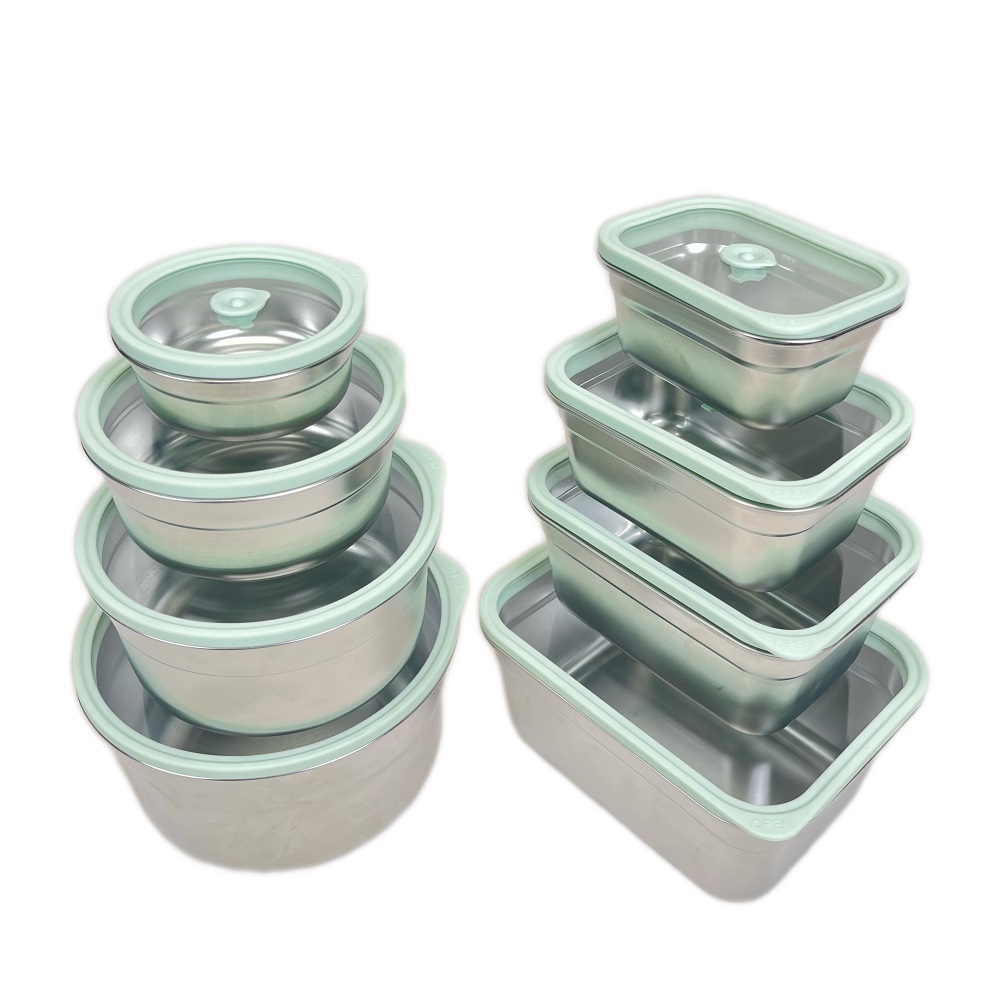
Combining these two premium materials creates functional advantages that neither material can achieve alone. The hybrid design directly addresses the shortcomings of traditional storage methods. Visual inventory management becomes effortless. Transparency at the top level is critical for rapid identification. When you utilize stainless containers with glass lids, you instantly know what is inside without breaking the seal. This rapid visual check is vital for high-volume meal prep and efficient kitchen organization.
Chemical inertness and acid resistance protect your food. When hot or acidic foods release steam, condensation forms on the lid and drips back down. Acidic steam condensing on a non-reactive glass lid is completely safe. In contrast, condensation on low-grade reactive metals can leach nickel or chromium, while condensation on plastic accelerates chemical degradation. Glass ensures the moisture returning to your food remains pure. This matters heavily when storing tomato sauces, citrus marinades, or fermented vegetables.
Glass also provides distinct thermal insulation benefits. When comparing the thermal conductivity of glass versus thin solid stainless steel metal lids, glass traps heat more effectively. In short-term holding scenarios, the lower thermal conductivity of thick tempered glass prevents rapid heat loss better than a thin, uninsulated sheet of metal. Humidity retention directly impacts produce longevity. A rigid glass lid paired with a high-quality silicone gasket mimics optimal cellar conditions. It traps moisture effectively, keeping produce fresh and crisp significantly longer than permeable plastic bags or loose wraps.
Material Type | Visibility | Durability (Base) | Chemical Safety | Weight Profile |
|---|---|---|---|---|
All-Glass | Excellent | Low (Shatter Risk) | High | Very Heavy |
All-Stainless | Poor | High | High | Lightweight |
Plastic | Moderate (Fades) | Moderate (Warps) | Low | Lightweight |
Hybrid (Steel + Glass) | Excellent (Top) | High | High | Moderate |
Mapping specific container features to practical daily outcomes reveals why this design excels in real-world applications. The balance of materials dictates how the container performs under stress. The durability versus weight trade-off favors the hybrid approach. Carrying a lightweight steel base offsets the slightly heavier, fragile glass lid. This balance makes the container highly suitable for stationary fridge storage, where visibility is paramount, while remaining light enough for daily commuting or catering transport.
Seal integrity relies on rigid surfaces. Glass provides an unyielding surface for silicone gaskets to compress against, creating an airtight, leakproof seal. This rigidity is essential for advanced storage techniques. By integrating vacuum-sealing valves into the glass lids, manufacturers create vacuum stainless containers. These systems purge oxygen to prevent oxidation, lock out moisture, and dramatically extend shelf life. You can prep avocados or delicate greens days in advance without fear of browning.
Modular utility simplifies kitchen operations. Standardized lid sizes designed to fit containers of varying depths optimize cabinet and walk-in cooler organization. You spend less time searching for matching lids and more time prepping food. Cleaning, sanitization, and maintenance are straightforward. Both stainless steel and glass are non-porous, preventing bacteria absorption. Ease of sanitization is further enhanced by removable silicone gaskets, which allow for necessary deep cleaning without degrading the seal.
This container style scales seamlessly across different environments. The overall value influencing factors remain consistent whether you prep meals for a family or manage a bustling commercial kitchen. The viability of these units as restaurant food storage containers is clear. Commercial kitchens see a rapid return on investment by reducing single-use plastic wrap costs. Non-toxic, easily sanitizable materials help operations pass stringent health inspections. Line cooks benefit immensely from rapid ingredient identification during service, speeding up prep times and reducing errors.
Stackability and space optimization dictate walk-in cooler efficiency. Design variations impact vertical storage stability. Recessed glass lids allow the steel base of the container above to nest securely, preventing dangerous shifts in commercial walk-ins or cramped home refrigerators. Domed lids, while offering more internal volume, sacrifice this critical stacking stability. When you stack ten containers high, you need the absolute certainty that the bottom lid will not crack and the top container will not slide off.
Evaluating products before purchase requires a skeptical, realistic framework. Not all hybrid containers are manufactured to the same standards. The metal rim and steam vent dilemma is a primary concern. Avoid glass lids with wrapped metal rims or integrated steam vents. Metal rims inevitably trap food debris, bacteria, and moisture, which quickly leads to rust. Steam vents completely compromise the airtight seal required for long-term storage and render vacuum sealing impossible.
Assessing glass lid tempering and shatter resistance is non-negotiable. Cheap, non-tempered glass lids pose a severe safety hazard. Look for verified thermal shock resistance and safety glass standards to ensure the lid can withstand rapid temperature changes without exploding. Gasket quality determines seal lifespan. Poorly designed seals accumulate mold rapidly. Buyers must look for platinum-grade, removable, groove-free silicone rings that compress evenly and wash easily.
A proper cost-to-lifespan analysis justifies the investment. The higher upfront cost of Stainless Steel Containers with Glass Lids compared to plastic is quickly offset. Long-term replacement savings, unmatched durability, and absolute health benefits make the initial purchase highly economical over time. You stop buying disposable wraps and stop replacing warped plastic tubs every six months.
The hybrid model utilizing a stainless base and a glass lid stands as the most pragmatic choice for food storage. It eliminates the need to compromise on visibility, weight, durability, or chemical safety. By merging the lightweight ruggedness of steel with the non-reactive transparency of tempered glass, users achieve superior food preservation and operational efficiency. When upgrading your storage, follow a strict shortlisting logic. Demand tempered glass, insist on rimless or easy-clean lid designs, and verify the base is 18/8 or 316 stainless steel. Ensure the food-grade silicone gasket is fully removable, and prioritize flat-top designs for secure stacking.
Audit your current inventory and discard degraded, warped, or stained plastic containers.
Identify high-acidity ingredients and transition them immediately to non-reactive hybrid storage.
Implement standardized, modular hybrid containers to streamline your meal prep and refrigerator organization.
Establish a weekly cleaning routine that includes removing and sanitizing all silicone gaskets.
A: The stainless steel base is never microwave safe, as metal causes dangerous arcing. While the tempered glass lid itself may be microwave safe, you must transfer your food to a designated glass or ceramic dish before microwaving.
A: Yes. Thick tempered glass has lower thermal conductivity than thin, uninsulated, single-sheet metal lids. This means glass traps heat more effectively, making it superior for short-term holding and preventing rapid temperature drops.
A: Yes, but you must leave adequate headspace. Liquids expand as they freeze. Without enough room, the expanding food will exert pressure that can shatter the glass lid, warp the steel base, or permanently compromise the airtight silicone seal.
A: They utilize a specialized one-way valve integrated into the glass lid. Using a manual or electric pump, you extract the air from the container. This removes oxygen, prevents oxidation, locks out moisture, and drastically extends the food's shelf life.
A: It depends on the manufacturer's specific tempering process and the silicone gasket's heat rating. Always check the stated safe temperature ranges. If oven use is permitted, you generally need to remove the silicone gasket first to prevent melting or degradation.
A: Remove the silicone gasket weekly for deep cleaning. Wash it thoroughly with a mixture of vinegar and baking soda, or run it through the dishwasher if permitted. Ensure the gasket and the lid groove are completely dry before reassembly. Avoid metal-rimmed lids, as they trap moisture permanently.


