
English 

Views: 0 Author: Site Editor Publish Time: 2026-09-18 Origin: Site


Ad-hoc storage solutions drain money and wreck kitchen workflows. When prep cooks spend ten minutes digging for a matching lid during the Friday dinner rush, labor costs spike. Mismatched bins lead to blown food costs from accelerated spoilage and guarantee health inspection citations for improper sealing. Scaling production in high-volume restaurants or shared commissary kitchens demands strict space optimization. You cannot manage inventory effectively without a standardized container strategy. Moving away from piecemeal purchasing toward a unified system stops the bleeding. We evaluate, select, and deploy Commercial Food Storage Containers to maximize shelf space and ensure NSF compliance. A planned container ecosystem keeps ingredients flowing smoothly from the loading dock to the walk-in, straight to the hot line. This direct approach eliminates bottlenecks and protects your margins.
Standardizing container shapes and brands across a facility eliminates workflow bottlenecks, reduces replacement costs, and streamlines kitchen layout planning.
Material selection (Polycarbonate vs. Polypropylene vs. Stainless Steel) must be dictated by specific use cases, such as blast chilling, microwave heating, or acidic food storage.
Implementing a strict color-coded and modular sizing system (Gastronorm standards) is critical for cross-contamination prevention and FIFO (First-In, First-Out) inventory management.
Catering and off-site operations require specialized transport containers prioritized for seal integrity and thermal retention over sheer volume.
A proper container system directly influences food cost percentages, labor efficiency, and health inspector audits. When cooks can instantly identify ingredients, access them without moving multiple heavy bins, and trust that the seals are intact, prep times drop significantly. Standardized restaurant food storage containers reduce the likelihood of cross-contamination and ensure that expensive ingredients do not degrade prematurely due to oxygen exposure. Every time a line cook wraps a mismatched bin in plastic wrap because the lid is missing, you lose money on both the wrap and the compromised shelf life of the product.
Shelving utilization is a mathematical equation that dictates kitchen capacity. Standard commercial wire shelving units are typically 18 or 24 inches deep. Modular container systems increase usable space by up to 30% compared to mismatched consumer-grade bins. Square and rectangular containers sit flush against each other, eliminating the dead space inevitably created by cylindrical tubs. This tight configuration allows managers to store higher volumes of product on the exact same wire shelving footprint, delaying the need for expensive walk-in expansions.
Vertical stacking requires careful consideration of load-bearing limits, especially in high-volume commissary kitchens. Heavy liquids and dense purees must be stored in containers structurally designed to bear weight without bowing or cracking the lids below them. A 22-quart container of veal stock weighs over 40 pounds. If you stack three of these vertically, the bottom lid must support 80 pounds of static weight. Proper stacking protocols ensure that the vertical space between shelves is fully utilized without compromising structural integrity or safety.
Container selection must align with specific commercial kitchen zones to minimize unnecessary movement. A dry pantry requires different storage solutions than a cold storage walk-in or an active hot line. Ingredients should flow logically from bulk receiving to prep stations without requiring constant repanning into different vessels. Every time food is transferred from one bin to another, you lose product yield and increase the risk of contamination.
Ergonomics play a major role in container placement. High-use ingredients must be stored in appropriately sized, easily accessible bins that fit standard prep tables and under-counter refrigerators. Line cooks should not have to reach into deep, oversized buckets for small garnishes, nor should they constantly refill tiny inserts during a busy rush. Matching container capacity to zone-specific usage rates prevents workflow interruptions.
Receiving Zone: Large bulk bins for immediate decanting of 50-pound bags of flour, sugar, and rice.
Prep Zone: Medium-capacity square containers (4 to 8 quarts) for holding chopped mirepoix, sliced meats, and batched sauces.
Hot Line: Fractional stainless steel pans that drop directly into steam wells and refrigerated prep rails.
NSF certification and FDA-approved food-grade materials are non-negotiable for passing stringent licensing and health inspections. Inspectors look for smooth, easily cleanable surfaces free of deep scratches where bacteria can harbor. Non-compliant containers will result in immediate citations and potential operational shutdowns. If a health inspector runs a fingernail down the inside of a plastic tub and catches a groove, that container fails.
Implementing a color-coded system satisfies local health department requirements and provides visual cues for staff. Common industry standards include:
Red for raw meat (beef, pork, lamb)
Yellow for raw poultry (chicken, turkey, duck)
Blue for raw seafood and shellfish
Green for washed produce and vegetables
White for dairy, cheeses, and ready-to-eat items
Purple for allergen-free ingredient isolation
Clear containers and integrated labeling systems facilitate accurate First-In, First-Out (FIFO) rotation. Dissolvable labels and built-in date dials allow staff to quickly identify expiration dates without scraping off sticky residue that damages container surfaces. Visibility ensures older stock is pulled first, directly reducing food waste. Masking tape is a massive liability; it leaves adhesive behind that hardens in the dish machine and breeds bacteria.
Shared commissary kitchens present unique challenges. Multiple businesses operating in the same facility require strict inventory segregation. Utilizing tenant-specific color coding, lockable storage cages, and distinct labeling prevents inventory theft and cross-tenant contamination. Clear boundaries maintain order in high-traffic shared environments where dozens of different prep cooks access the same walk-in cooler throughout the day.
Graduated measurement markings on the sides of containers speed up rapid inventory auditing. Managers can visually assess quart or liter volumes during daily prep lists without needing to weigh every single bin. If the prep list calls for 12 quarts of marinara, a quick glance at the graduated lines on a clear 18-quart tub confirms whether the prep cook needs to fire another batch, saving hours of administrative labor each week.
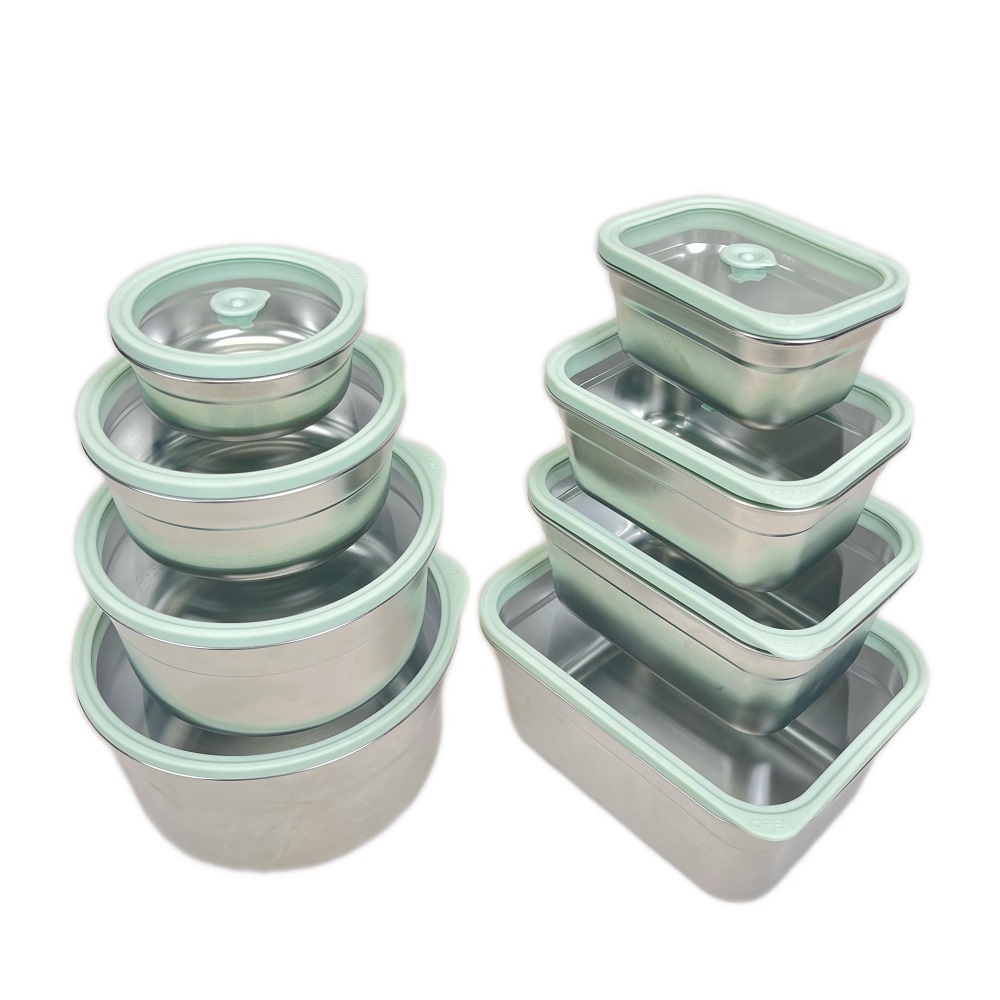
Understanding the chemical and physical properties of standard storage materials guides purchasing decisions based on specific kitchen workflows. No single material excels in every application. Kitchen managers must match the material to the task to maximize longevity and performance. Putting the wrong plastic in a high-temperature dish machine or a blast chiller will destroy your inventory investment in a matter of weeks.
Polycarbonate offers glass-like clarity, making it the premier choice for fast inventory checks. Staff can identify contents and volume levels from across the walk-in cooler without opening lids. It boasts extreme shatter resistance and a high temperature tolerance, typically ranging from -40°F to 212°F. This wide thermal range allows polycarbonate to handle everything from deep freezing to holding hot liquids straight off the stove.
The primary trade-off is the higher upfront cost. Additionally, polycarbonate is susceptible to crazing—a network of fine cracks—if repeatedly exposed to certain harsh dishwashing chemicals or abrasive scrubbing pads over time. Quaternary ammonia sanitizers and high-alkaline detergents can degrade the plastic if not properly diluted. Proper chemical calibration in the dish pit is required to maintain its structural integrity and clear finish.
Polypropylene provides a lower price point and high chemical resistance. It is the standard BPA-free option in many modern kitchens. The material has a slight flexibility, which completely prevents shattering if dropped on a hard quarry tile floor during a busy shift. It stands up exceptionally well to harsh degreasers and acidic foods like tomato sauces and vinaigrettes.
However, polypropylene is translucent rather than transparent. This reduces immediate visibility, requiring staff to look closer or rely heavily on labels to identify contents. It also has a lower heat tolerance compared to polycarbonate, usually maxing out around 160°F. This makes it unsuitable for direct contact with boiling liquids, hot frying oil, or high-temperature holding cabinets.
Stainless steel pans are the backbone of prep tables, hot holding units, and blast chilling operations. The metal transfers temperature rapidly, making it the safest option for cooling hot foods down through the danger zone quickly. Health codes require hot food to drop from 135°F to 70°F within two hours. Shallow stainless steel pans achieve this thermal transfer far better than thick plastic tubs. It is equally effective at maintaining heat in steam tables.
Durability is unmatched; stainless steel will not crack, shatter, or melt. It is incredibly easy to sanitize and its non-porous nature prevents odor and color absorption. If you store a heavy yellow curry in a plastic tub, that tub will smell like curry and carry a yellow stain for the rest of its lifespan. Stainless steel washes completely clean, making it vital for highly acidic or pungent ingredients.
High-Density Polyethylene (HDPE) is utilized for large-scale dry ingredient bins within the pantry zone. It is the standard material for storing bulk flour, sugar, rice, and beans. HDPE offers excellent structural integrity for heavy loads, resisting bowing and warping even when holding 100 pounds of dry goods.
These large bins often integrate with mobile caster bases for ergonomic transport across the kitchen floor. Rolling a heavy bin of flour directly to the planetary mixer prevents workplace injuries and speeds up large-batch prep operations. The material is tough enough to withstand getting kicked, bumped by hand trucks, and repeatedly rammed into prep tables.
Material Type | Primary Kitchen Application | Temperature Range | Visual Clarity | Durability Profile |
|---|---|---|---|---|
Polycarbonate | Walk-in cooler storage, high-visibility prep | -40°F to 212°F | Transparent (Glass-like) | High impact resistance, prone to chemical crazing |
Polypropylene | General prep, acidic food storage, budget setups | -40°F to 160°F | Translucent (Cloudy) | Shatterproof, high chemical resistance |
Stainless Steel | Steam tables, blast chilling, raw meat prep | Extreme Cold to Oven Safe | Opaque | Indestructible, rapid thermal transfer |
HDPE | Bulk dry goods (flour, sugar, rice) | -40°F to 160°F | Opaque to Translucent | High load-bearing strength, rigid |
Standardizing inventory based on global sizing metrics, spatial geometry, and menu volume prevents operational chaos. Kitchens that stock random container sizes waste time searching for compatible lids and struggle to fit items efficiently on shelves. You need a mathematical approach to container procurement to ensure every square inch of your facility is working for you.
The Gastronorm (GN) fractional sizing system is the global standard for commercial kitchen equipment. Based on the full-size 1/1 pan (roughly 12.75 x 20.875 inches), the system breaks down into modular fractions: 1/2, 1/3, 1/4, 1/6, and 1/9. This modularity allows different sized pans to fit perfectly into standard prep tables, chafing dishes, and steam wells without leaving gaps where food can fall into the water bath or compressor area.
Using GN-compliant commercial food storage containers plays a critical role in transferring product directly from storage to the line without repanning. Calculating the ratio of container sizes needed depends on the menu mix. High-volume base ingredients like mashed potatoes or rice require 1/3 or 1/2 pans. Potent garnishes, minced garlic, and finishing sauces only need 1/6 or 1/9 pans. Standardizing on GN sizes means a prep cook can pull a 1/6 pan of diced tomatoes from the walk-in and drop it directly into the salad station rail.
GN Size | Approximate Dimensions | Common Kitchen Application |
|---|---|---|
GN 1/1 (Full Size) | 12.75" x 20.875" | Large batch roasting, holding bulk proteins, catering chafers |
GN 1/2 (Half Size) | 12.75" x 10.375" | Side dishes, salad greens, medium batch prep |
GN 1/3 (Third Size) | 12.75" x 6.875" | Hot line vegetables, heavy sauces, sliced cheeses |
GN 1/6 (Sixth Size) | 6.375" x 6.875" | Sandwich station toppings, dressings, diced onions |
GN 1/9 (Ninth Size) | 4.25" x 6.875" | Spices, potent garnishes, finishing herbs |
Square containers are approximately 33% more space-efficient on shelves. They pack tightly together, making them ideal for dense walk-in coolers and maximizing dry storage footprints. When shelf space is at a premium, square containers yield the highest volume per square foot. They also feature graduated measurements on the corners, making it easy to calculate remaining inventory.
Round containers offer superior air circulation. The gaps naturally created between round tubs allow cold air to flow freely, promoting faster and safer cooling of hot liquids like soups and stocks. Furthermore, round containers lack corners, making them much easier to stir with a whisk and scrape clean with a rubber spatula. If you store a thick cheese sauce in a square container, product gets trapped in the 90-degree corners, increasing food waste and making dishwashing harder.
Evaluating under-counter versus freestanding bulk bins depends on the overall commercial kitchen design. Under-counter bins maximize vertical space beneath stainless steel prep tables, keeping ingredients at the point of use. Freestanding bins hold larger volumes, sometimes up to 40 gallons, but require dedicated floor space in the dry storage room.
Health code compliance dictates the necessity of clear sliding lids on bulk bins. These lids allow staff to check inventory without exposing the product to airborne contaminants. Dedicated scoops must be stored outside the product, typically in a specialized holster attached to the side of the bin, to prevent handle contamination from touching the ingredients. Burying a scoop inside a bin of flour is an automatic health code violation.
Moving food outside the controlled environment of a commissary kitchen to an event space or satellite location introduces entirely new logistical challenges. Equipment must withstand vehicle vibrations, extreme ambient temperature fluctuations, and rough handling by loading crews. You cannot use standard kitchen prep bins for off-site transport and expect the food to arrive intact.
Lid security is the most critical factor for off-site transport. Snap-on lids work for stationary storage but often fail during transit when a van hits a pothole. Seal-tight and locking mechanisms provide the necessary security to prevent catastrophic spills in the back of a delivery vehicle. A spilled hotel pan of demi-glace not only ruins the transport vehicle but destroys the menu for the catered event.
Transporting liquids requires catering food containers equipped with leak-resistant silicone gaskets. These gaskets create an airtight and watertight seal, ensuring that hot soups, braising liquids, and sauces arrive at the venue exactly as they left the kitchen. The silicone compresses against the rim of the container, absorbing the shock of transit sloshing.
Catering containers must dimensionally align with standard insulated food pan carriers. Brands manufacture insulated hot boxes designed specifically to hold GN-sized pans. Proper alignment ensures maximum capacity within the carrier and prevents pans from shifting off the internal molded rails during transport.
Maintaining safe holding temperatures during transit is a legal requirement. Containers that fit snugly into insulated carriers minimize internal air gaps. Less empty air inside the hot box means the thermal mass of the food retains heat or cold for several hours, keeping food out of the danger zone (41°F to 135°F) until service begins at the remote location.
Vehicle transport subjects food to sudden stops, sharp turns, and steep inclines. Structural design features, such as interlocking bases and lids, prevent load shifting. When the base of one container nests securely into the recessed lid of the one below it, the entire stack moves as a single unit, drastically reducing the risk of tipping.
Transit stability prevents product damage. Delicate pastries, layered desserts, or meticulously plated cold appetizers will be ruined if containers slide and crash into the walls of the transport vehicle. Deep nesting grooves and reinforced corners are essential for off-site catering success.
Overhauling a kitchen's storage system involves hidden costs, execution risks, and operational hurdles. Managers must approach procurement strategically to ensure high adoption rates among staff and maximum return on investment. Buying a pallet of new containers without a rollout plan will just create more clutter.
The Frankenstein inventory approach—mixing multiple brands, materials, and generations of containers—creates daily frustration. Mixing brands often leads to compromised seals because slight manufacturing variations prevent lids from locking correctly. A lid from Brand A might look like it fits a tub from Brand B, but it will pop off the moment it gets bumped in the walk-in. This accelerates spoilage and forces staff to waste time testing multiple lids.
Committing to a single manufacturer ecosystem ensures universal lid compatibility. When all 2-quart, 4-quart, and 6-quart square containers share the exact same lid size, reordering is streamlined, and prep cooks never waste time searching for the right fit. You only need to stock one type of lid for multiple volumes.
Replacing containers incrementally carries a high risk of mixing old and new systems, prolonging the very inefficiencies the kitchen is trying to solve. Staff will naturally gravitate toward whatever is closest, leading to a disorganized walk-in where new lids are forced onto old, warped containers.
A CapEx-funded total replacement provides immediate operational efficiency. Pulling all old containers out of circulation over a single weekend and replacing them with a unified system forces immediate adoption. Donate or recycle the old inventory. While the initial capital outlay is higher, the labor savings and reduced food waste generate a rapid payback period.
New equipment requires new Standard Operating Procedures (SOPs) to ensure kitchen staff utilize the system correctly. Training should cover proper washing techniques, label application, and zone-specific storage rules. Do not assume cooks will naturally organize the walk-in; you must provide a map.
Mitigation strategies for common compliance failures must be enforced. Ban the use of masking tape if dissolvable labels are provided. Implement strict washing and drying protocols; stacking wet containers breeds bacteria and creates suction locks that make them impossible to separate during service. Containers must be air-dried inverted on wire racks before nesting.
In shared commissary spaces, strict protocols ensure equipment is not hoarded or damaged by other tenants. Color-coded engraving or permanent tenant markings help managers track assets and hold specific teams accountable for damage or loss. Lockable cages ensure your expensive polycarbonate inventory doesn't walk away during the night shift.
Audit your current walk-in cooler and dry storage areas to identify and discard all cracked, warped, or mismatched containers and lids.
Measure the depth and height of your existing wire shelving units to calculate the exact dimensions and quantities of square containers needed to maximize vertical space.
Standardize your procurement by selecting a single brand ecosystem to guarantee universal lid compatibility across all prep volumes.
Establish a strict color-coded labeling and FIFO rotation protocol, and train all kitchen staff on the new system before full deployment.
Install dedicated, lockable storage cages if operating in a multi-tenant commissary kitchen to protect your new container inventory from theft or cross-contamination.
A: The choice depends on your specific kitchen workflow. Polycarbonate offers glass-like visibility and high durability, making it ideal for fast inventory checks. Polypropylene provides excellent chemical resistance and cost-efficiency, though it is translucent rather than fully clear. Stainless steel excels in extreme temperature applications like blast chilling and hot holding.
A: Organization must follow a strict top-to-bottom hierarchy based on minimum cooking temperatures to prevent cross-contamination. Ready-to-eat foods and produce go on the top shelves. Below that, store seafood, then whole cuts of meat, then ground meats. Raw poultry must always be stored on the very bottom shelf.
A: Both serve distinct purposes. Square containers maximize shelf space, offering up to 33% more storage density, making them perfect for compact walk-ins. Round containers promote faster cooling due to better airflow between tubs and are much easier to stir and scrape clean, making them ideal for liquids and sauces.
A: NSF certification means the product has been tested by the National Sanitation Foundation. It verifies that the container is made from non-toxic, food-grade materials, features a smooth surface that is easy to clean and sanitize, and does not harbor bacteria in deep crevices or seams.
A: The Gastronorm (GN) system is a European standard used globally for modular pan and container sizing. Based on a full-size 1/1 pan, it uses fractions (1/2, 1/3, 1/4, 1/6, 1/9) to ensure containers fit seamlessly into standard prep tables, steam wells, and storage racks without wasting space.
A: Containers should be replaced when they show signs of structural degradation. Inspect them regularly for deep scratches that can harbor bacteria, severe cloudiness that prevents visibility, warping that ruins stackability, or compromised lid seals that could lead to dangerous spills during transport.


