
English 

Views: 0 Author: Site Editor Publish Time: 2026-07-24 Origin: Site


Transitioning to glass storage starts when you realize the documented risks of microplastics and chemical leaching. Heating purees in plastic containers or disposable pouches releases compounds like BPA, BPS, phthalates, and plasticizers directly into a child's meal. While the health benefits of glass are obvious, the daily reality of homemade baby food storage brings operational friction. You face the risk of containers shattering during extreme temperature transitions, like moving a jar from a deep freezer directly into a bottle warmer. Over time, lid seals degrade, and the constant weight-versus-portability trade-off complicates packing a diaper bag for travel.
To solve these challenges, you need a technical evaluation framework that separates marketing claims from functional reality. A reliable storage system relies on specific glass chemistry, robust lid integrity, high thermal shock thresholds, and long-term utility. By understanding these core elements, you can determine which baby food glass containers will actually survive the demands of a modern kitchen while keeping meals safe.
Material Composition is Non-Negotiable: True safety and durability require premium borosilicate food storage solutions, which vastly outperform standard soda-lime glass in thermal shock resistance and chemical inertness at extreme temperatures.
Lid Systems Dictate Longevity: A glass container is only as safe, leak-proof, and odor-free as its lid; prioritize medical-grade silicone, stainless steel, or all glass vacuum containers over standard plastic snap-lids that warp and trap bacteria.
Workflow Compatibility: The ideal container must survive a direct transition from a 0°F freezer to a boiling water bath or microwave without structural failure or micro-fracturing.
The Weight vs. Purity Trade-Off: While glass is heavier and more fragile than plastic or squeeze pouches, its absolute chemical safety, ease of sterilization, and infinite recyclability outweigh the weight penalty.
Multi-Life Sustainability: High-quality glass storage scales with infant growth, shifting from 2oz puree vessels to long-term household storage, maximizing the return on investment.
Glass remains the industry standard for food purity due to its completely non-porous surface. Unlike plastic, glass does not absorb odors, retain permanent stains, or leach chemicals into food. This chemical inertness holds true regardless of the food's acidity. You can store highly acidic tomato sauces or citrus blends for weeks without degrading the container. Furthermore, glass maintains this stability across extreme thermal ranges. Whether subjected to sub-zero freezing or boiling water, the material structure remains unchanged, ensuring no foreign substances migrate into the baby food. When you prep large batches of acidic fruit purees, you need absolute certainty that the container walls won't break down over months of freezer storage.
Glass is undeniably heavier and more fragile than plastic containers or single-use squeeze pouches. This physical characteristic often deters parents looking for lightweight travel solutions. However, you can mitigate this weight penalty with smart packing strategies. When loading a diaper bag, limit glass containers to the exact number of meals required for the outing. Use insulated, padded cooler bags to protect the glass from impact while maintaining safe food temperatures. The slight increase in carrying weight is a small trade-off for absolute food safety and the elimination of single-use plastic waste. You learn quickly that carrying two solid glass jars is far better than dealing with a punctured plastic pouch at the bottom of a bag.
Infant immune systems require strict hygiene protocols. Therefore, storage containers must withstand repeated, high-heat sterilization without material degradation. High-quality glass can endure boiling water baths, UV sterilizers, electric steam sterilizers, and heavy-duty dishwasher sanitization cycles. Plastic containers often warp, cloud, or develop micro-scratches after repeated sterilization, creating breeding grounds for bacteria. Glass emerges from these rigorous cleaning cycles completely pristine, maintaining its structural integrity and hygienic properties indefinitely. You can run a glass jar through a high-temp sanitize cycle a hundred times, and it will look exactly the same as the day you bought it.
Marketing labels like "BPA-free" are largely unregulated and often misleading, as manufacturers simply replace BPA with similar chemical analogs like BPS. To verify safety claims, look for stringent regulatory compliance. Seek out containers that meet FDA standards, the European Food Grade Standard (LFGB), or CPSIA compliance. These certifications require rigorous third-party testing for heavy metals, chemical leaching, and structural safety. Relying on these verified standards ensures the product meets strict safety thresholds for infant use. Never trust a generic label; always look for the specific testing certifications stamped on the packaging or molded into the glass base.
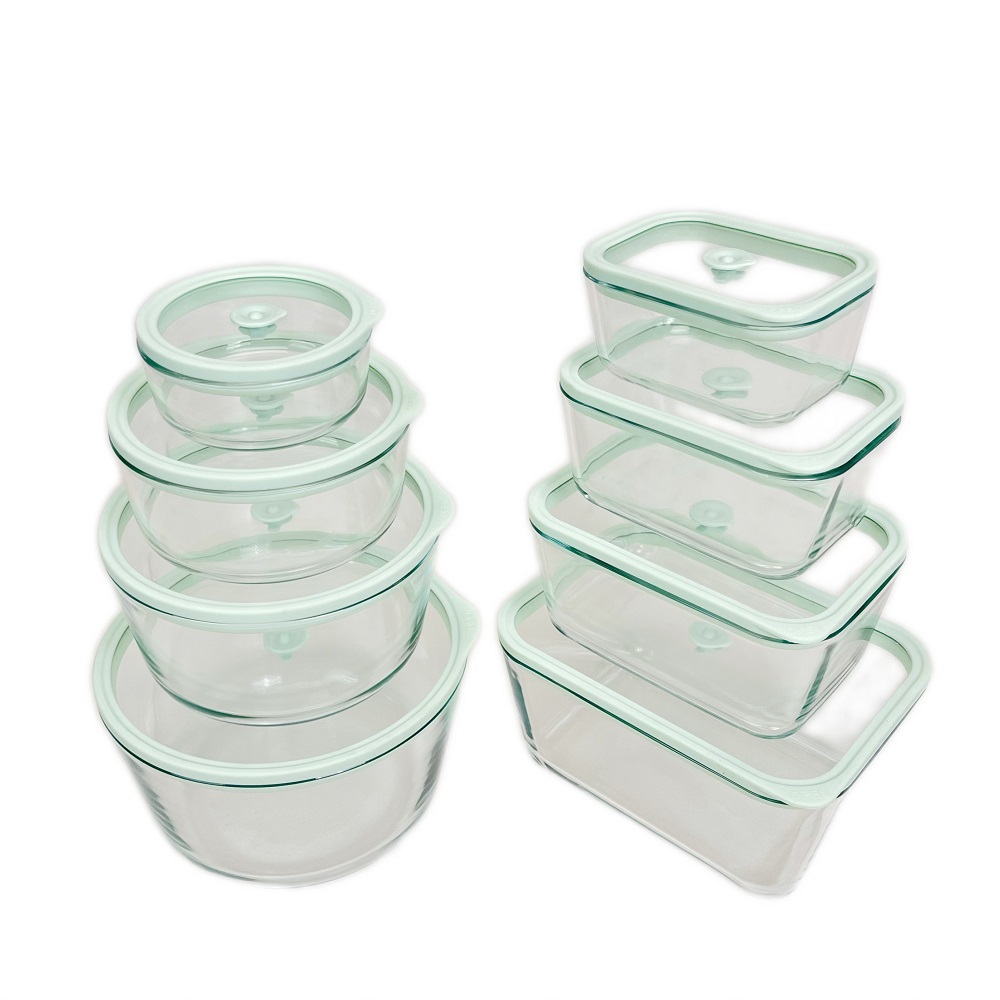
Not all glass is created equal. The chemistry behind premium borosilicate food storage involves adding boron trioxide to the traditional silica mixture. This specific addition drastically lowers the glass's coefficient of thermal expansion. In practical terms, this means the glass does not expand or contract significantly when exposed to rapid temperature changes. This stability prevents the microscopic stress fractures that eventually lead to shattering. Borosilicate glass can move from a freezing environment to a heating environment safely, making it the superior choice for meal prep workflows. When you are rushing to get a meal ready for a hungry infant, you do not have time to wait for a jar to slowly come to room temperature.
Standard tempered or soda-lime glass is commonly used in cheaper consumer jars, mass-market baby food packaging, and standard drinkware. While cost-effective to produce, soda-lime glass has a high coefficient of thermal expansion. If you move a frozen soda-lime jar directly into a hot water bath, the rapid expansion of the material causes catastrophic failure. The jar will shatter or crack instantly. For parents relying on batch cooking and freezing, soda-lime glass introduces a significant safety hazard and workflow bottleneck. You will end up throwing away entire batches of carefully prepped food because a cheap jar cracked in the warmer.
A common misconception is that thermal shock resistance equals unbreakability. While borosilicate glass handles temperature swings exceptionally well, it remains a rigid glass product. It is still susceptible to high-impact drops on hard surfaces like kitchen tile or concrete. Thermal shock resistance protects against temperature-induced breakage, but physical impact resistance requires careful handling or external protective measures. Understanding this distinction helps manage expectations regarding the physical durability of glass containers. You must treat them as high-performance kitchen tools, not indestructible toys.
Pairing a high-quality glass jar with a standard polypropylene (PP) plastic lid introduces a weak link in the storage system. During heating, hot food often splashes against the plastic lid, reintroducing the risk of chemical leaching. Additionally, plastic snap-hinges degrade over time. Repeated exposure to dishwasher heat and freezing temperatures causes the plastic to warp, warp, and eventually snap. Once the lid warps, the airtight seal is compromised, leading to freezer burn and leaks. You defeat the purpose of using glass if the hot food is just going to steam against a cheap plastic lid anyway.
To maintain a completely pure food environment, look for alternative lid materials. Medical-grade silicone lids stretch over the glass rim, providing a tight, chemical-free seal that withstands high heat. Stainless steel caps are another durable option. These typically feature removable, food-safe silicone O-rings to create a watertight barrier. Both options eliminate plastic contact with the food, survive rigorous sterilization, and provide true leak-proof performance suitable for tossing into a diaper bag. A solid stainless steel lid with a thick silicone gasket will outlast any plastic snap-lid on the market.
An emerging category in premium storage is all glass vacuum containers. These systems utilize manual or electric vacuum pump mechanisms to extract air from the jar before sealing. The primary advantage is zero plastic contact and extended oxidation prevention. Removing air preserves delicate nutrients, colors, and flavors in fresh purees much longer than standard sealed jars. However, these systems come with trade-offs. They have a higher upfront cost and involve mechanical complexity. Furthermore, if the glass rim chips, the vacuum seal will fail entirely, rendering the pump mechanism useless. You have to weigh the benefit of extended freshness against the need for careful handling.
A container is only travel-ready if it passes a rigorous leak test. To verify seal integrity, fill the container with water, seal it, and shake it vigorously upside down for thirty seconds. It must withstand physical turbulence and minor atmospheric pressure changes without a single drop escaping. Lids relying on cheap rubber gaskets often fail this test after a few months of use. Prioritize deep-channel silicone seals that lock firmly against the glass rim to ensure your diaper bag remains clean and dry. There is nothing worse than opening a bag to find sweet potato puree covering your spare clothes and wipes.
Batch cooking requires containers that survive extreme temperature deltas. The thermal shock delta is the maximum sudden temperature change the glass can survive without breaking. High-quality borosilicate glass typically boasts a thermal shock delta of around 248°F (120°C). This rating allows you to pull a jar from a 0°F freezer and plunge it into boiling water or a bottle warmer without hesitation. Always verify the manufacturer's specific thermal shock rating before attempting direct freezer-to-warmer transitions. If the manufacturer does not list a thermal shock rating, assume the glass cannot handle rapid temperature changes.
Even the strongest glass will break if subjected to internal pressure from expanding liquids. Water expands by about 9% when it freezes. When storing liquid-heavy purees, broths, or breastmilk, you must leave a minimum 1/2-inch headspace at the top of the jar. This empty space provides room for the liquid to expand upward rather than pushing outward against the glass walls. Failing to leave adequate headspace is the leading cause of glass breakage in the freezer, regardless of glass quality. You must train yourself to stop filling jars to the brim.
Safe reheating preserves nutrients and prevents container failure. The safest methods for frozen purees include slow thawing in the refrigerator overnight or using a warm water bath. Controlled microwaving is acceptable if you remove the lid and use short, low-power intervals, stirring frequently to eliminate hot spots. Never place small glass storage jars directly on a stovetop burner or expose them to direct broiler heat in a convection oven. Direct, localized heat sources create uneven expansion that can shatter even premium borosilicate glass.
Remove the container from the freezer and take off the lid.
Place the glass jar into a bowl of warm water for ten minutes to loosen the edges.
Transfer the jar to a bottle warmer or microwave on a low defrost setting.
Stir the puree thoroughly to ensure even temperature distribution.
Test the temperature on your wrist before serving.
Selecting the right container size reduces food waste and optimizes storage space. Your storage needs will scale rapidly as your infant grows.
Stage 1 (4-6 months): 1-2 oz containers are ideal for early, single-ingredient purees and initial taste tests.
Stage 2 (6-9 months): 4 oz containers accommodate larger appetites and multi-ingredient blends.
Stage 3 & Toddlerhood (9+ months): 8 oz containers hold chunkier meals, finger foods, overnight oats, and larger snack portions.
Freezer real estate is highly valuable. Evaluate the physical design of the containers before purchasing. Straight-walled jars maximize internal volume but often do not nest when empty, taking up significant cabinet space. Tapered designs allow empty containers to nest inside one another. Furthermore, look for lids with flat, recessed tops that allow secure vertical stacking in the freezer. A well-designed stacking system prevents avalanches when you open the freezer door. You need a system that stays organized even when you are digging around for a specific meal with one hand.
Accurate portion control requires clear measurement markings. Avoid containers with painted or printed volume lines, as these quickly rub off or fade after a few trips through the dishwasher. Instead, prioritize containers with etched, embossed, or baked-on measurement markings in both ounces and milliliters. Permanent markings ensure you can always track exactly how much your baby is eating, which is necessary during the early stages of weaning. You do not want to guess how many ounces your child consumed based on faded lines.
Comparison of Container Features by Growth Stage | |||
Growth Stage | Ideal Volume | Food Type | Key Container Feature |
|---|---|---|---|
Stage 1 (4-6 mos) | 1 - 2 oz | Thin, single-ingredient purees | Precise measurement markings |
Stage 2 (6-9 mos) | 4 oz | Thicker, multi-ingredient blends | Leak-proof seals for travel |
Stage 3 (9+ mos) | 8 oz | Chunky meals, snacks, oats | Wide mouth for easy spoon access |
The initial investment in premium glass storage pays off through long-term utility. Unlike plastic baby containers that eventually degrade and end up in landfills, glass offers infinite recyclability and multi-life sustainability. Once your child transitions to solid family meals, these small jars do not become obsolete. Repurposing them solves the consumer dilemma of what to do with specialized baby gear, extending the product's lifecycle by years or even decades. You are buying a permanent kitchen storage solution, not just a temporary baby product.
Small glass jars are incredibly versatile around the house. Consider these practical applications once the puree phase ends:
Kitchen Storage: Use 2oz and 4oz jars as airtight vessels for expensive spices, loose-leaf teas, homemade salad dressings, or portioned condiments for lunchboxes.
Meal Prep: The 8oz containers are perfect for portion-controlled snacks, storing dips like hummus, or keeping nuts and seeds fresh in the pantry.
Household & Travel: Clean jars thoroughly to store DIY cosmetics, travel-sized toiletries, or small craft supplies like beads and safety pins. They also remain excellent for packing baby-led weaning snacks on the go.
To mitigate the risk of dropping glass on hard kitchen tile, utilize protective, food-grade silicone sleeves. These sleeves slide over the glass jar, providing a shock-absorbing bumper that significantly reduces the chance of shattering upon impact. Additionally, the textured silicone improves grip, making it easier for parents to hold with wet hands and safer for toddlers learning to feed themselves. A good silicone sleeve can mean the difference between a bounced jar and a shattered mess on the floor.
Glass requires routine maintenance checks. Get into the habit of visually inspecting your jars before each use. Look for hairline fractures, deep scratches, or tiny chips along the rim. Even a microscopic chip compromises the structural integrity of the glass, making it susceptible to thermal shock failure. Furthermore, rim chips prevent lids from forming an airtight seal, which will cause vacuum systems to fail entirely. Discard or recycle any damaged glass immediately. Do not risk feeding your child from a compromised container.
Lid gaskets harbor a hidden risk: black mold accumulation. Moisture easily traps behind fixed rubber seals, creating an ideal environment for mold and bacterial growth. To prevent this, only purchase containers with fully removable silicone seals. After every use, remove the gasket using a blunt tool, wash it separately in hot soapy water, and allow all components to air dry completely before reassembly. Boil the silicone seals weekly to ensure absolute hygiene. If you cannot remove the seal, you cannot clean the lid properly.
Audit your current freezer space to determine if you need stackable or nesting container designs.
Identify your primary heating method to ensure your chosen lids are compatible.
Calculate the total volume needed for a one-week batch-cooking cycle to purchase the correct quantity and sizes.
Invest in a set of silicone sleeves if your kitchen features hard tile or stone flooring.
A: Yes, but only if the container is made of high-quality borosilicate glass with a high thermal shock rating. Standard soda-lime glass will likely shatter due to the rapid temperature change. Always verify the manufacturer's thermal shock specifications before attempting this transition.
A: Borosilicate glass contains boron trioxide, which lowers its thermal expansion rate. This allows it to withstand extreme, sudden temperature changes without breaking. Soda-lime glass expands rapidly when heated, making it prone to shattering if moved from a freezer to a hot environment.
A: The glass bases are generally safe for microwaves and steam sterilizers. However, the vacuum pump mechanisms and specific lid components often contain valves that cannot withstand high heat. Always remove the vacuum lid before microwaving or sterilizing.
A: You should leave at least a 1/2-inch of empty space at the top of the jar. Liquids expand by about 9% when they freeze. Leaving headspace allows the food to expand upward, preventing internal pressure from cracking the glass.
A: Wash the glass with warm, soapy water using a soft sponge or silicone brush. Avoid abrasive scouring pads or steel wool, which create micro-scratches. You can safely sterilize the glass by boiling it in water for 5-10 minutes or running it through a high-heat dishwasher cycle.


