
English 

Views: 0 Author: Site Editor Publish Time: 2026-07-21 Origin: Site


The return on investment for food preservation systems relies entirely on the structural integrity and cleanliness of the storage components. Extending food shelf life and preventing freezer burn depend on maintaining a perfect, airtight environment. When cleaning protocols fall short, containers develop micro-abrasions, gaskets warp, and valves become compromised. These issues inevitably lead to seal failure, allowing oxygen back in and increasing the risk of anaerobic bacterial growth.
Improper maintenance destroys the very mechanism that keeps food fresh. This guide provides a technical framework for maintaining different container materials, preserving silicone seals, and troubleshooting pump mechanisms. By following these specific cleaning and maintenance protocols, you ensure long-term performance, maximize durability, and maintain strict food safety standards across your storage systems. You will learn exactly how to handle gaskets, wash bases, and keep your extraction hardware running without failure.
Material Dictates Maintenance: glass vacuum food containers offer higher resistance to heat and abrasions compared to vacuum plastic food containers, directly impacting long-term durability and cleaning methods.
Seal Integrity is the Failure Point: 90% of vacuum failures stem from degraded, improperly washed, or inadequately dried silicone gaskets and lid valves.
Pump Care is Non-Negotiable: A vacuum sealer pump requires specific moisture-avoidance practices to prevent internal mechanism failure.
Hygiene Precedes Sealing: Vacuum sealing does not kill bacteria; proper sanitation and complete drying of both the food and the container are prerequisites to prevent anaerobic microorganism proliferation.
Smart Prep Reduces Maintenance: Simple tactics like pre-freezing liquids and wrapping high-stain foods minimize contamination of the container base and valve.
A successful vacuum seal requires sustained negative pressure that effectively keeps oxygen out of the container. Regular cleaning directly supports this mechanical requirement by ensuring all surfaces remain smooth and unobstructed. When debris or residue interferes with the sealing surfaces, the container cannot maintain the necessary pressure differential to preserve food. You need a flawless contact point between the lid gasket and the container rim.
Food residue, natural oils, and harsh detergents degrade silicone gaskets over time. This degradation hardens the silicone, causing it to lose its flexibility and creating microscopic gaps. These micro-leaks allow air to seep back into the container, resulting in a gradual loss of pressure that compromises the preservation environment. We see this constantly when users run lids through high-heat commercial dishwashers.
Sealing contaminated containers presents significant food safety risks. Vacuum environments can accelerate the growth of certain anaerobic bacteria if containers are not properly sanitized before use. Thorough cleaning removes the organic matter these microorganisms need to thrive. Ensuring the vacuum process preserves the food rather than incubating harmful bacteria requires strict adherence to sanitation protocols.
Inspect the silicone gasket daily for hardening or micro-tears.
Check the container rim for chips or scratches that break the seal.
Verify the central valve is free of particulate matter before sealing.
Ensure all components are bone-dry before assembly to prevent mold.
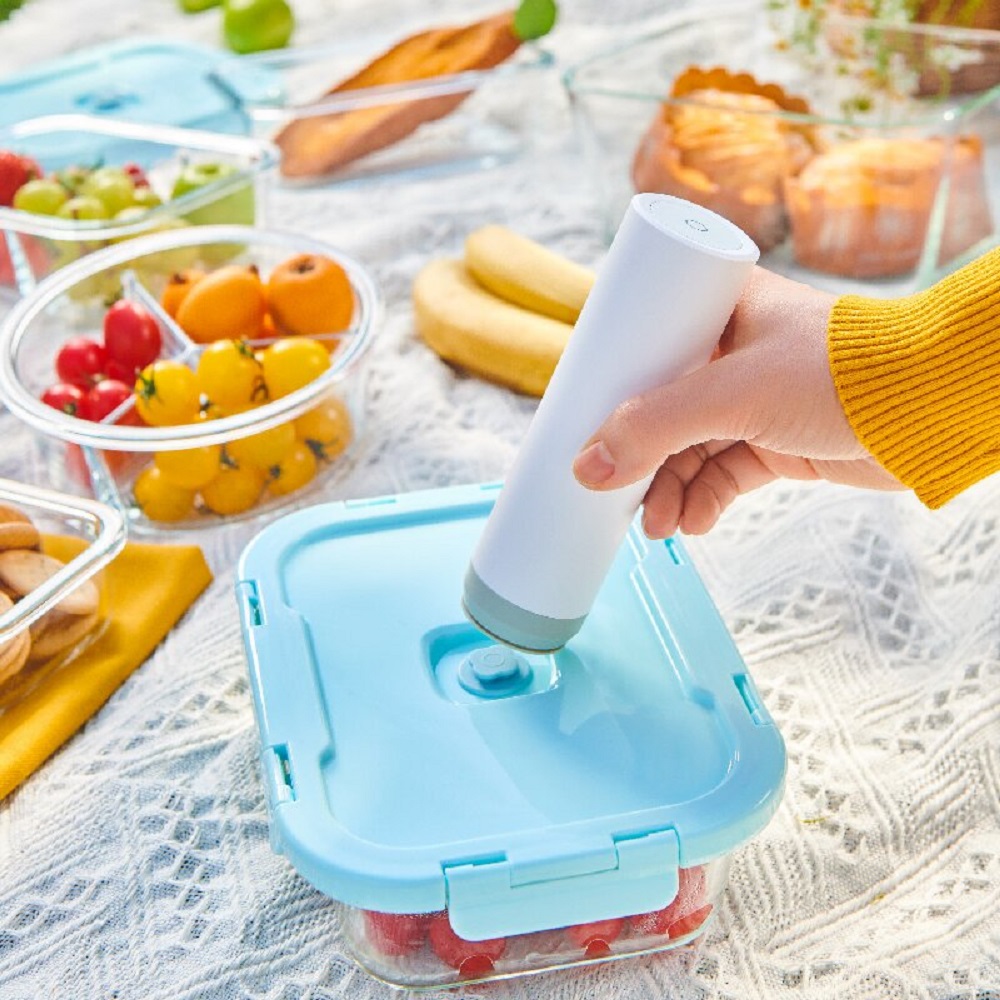
Understanding the maintenance overhead and lifecycle of different container materials aids in purchasing and replacement decisions. Each material requires specific handling to maximize its lifespan and maintain a reliable seal. You must match your cleaning capabilities to the material you choose.
Glass containers provide a non-porous surface that prevents odor retention and resists staining from acidic or heavily pigmented foods. High-quality borosilicate glass offers excellent thermal shock resistance, allowing it to transition between temperature extremes safely. This durability makes glass highly effective for long-term storage in demanding kitchen environments.
Cleaning glass bases is straightforward. They safely withstand bottom-rack dishwasher use and handle heavy-duty sanitization temperatures without warping or degrading. However, glass requires careful handling to avoid chipping. Regular inspection routines are necessary to check the rim for edge-chipping. Even a minor chip will compromise the airtight seal against the silicone gasket, rendering the container useless for vacuum storage.
Plastic containers are lightweight but susceptible to micro-scratches from abrasive sponges or harsh cleaning tools. These tiny abrasions harbor bacteria and compromise the smooth surface required for a perfect vacuum seal over time. Careful washing is essential to maintain the structural integrity of the polymer. You cannot treat plastic with the same aggressive scrubbing you use on glass.
Cleaning protocols for plastic dictate strict top-rack only dishwasher placement to prevent heat warping from the lower heating elements. To remove stains and odors from BPA-free plastics without degrading the material, use gentle techniques like applying a baking soda paste. Avoid harsh chemicals that can break down the plastic structure and shorten the container's lifespan.
Material Type | Dishwasher Safe | Abrasion Resistance | Primary Maintenance Risk |
|---|---|---|---|
Borosilicate Glass | Yes (Bottom Rack) | High | Rim chipping causing seal failure |
BPA-Free Plastic | Yes (Top Rack Only) | Low | Heat warping and micro-scratches |
Silicone Gaskets | No (Hand Wash Only) | Medium | Hardening from oil and heat exposure |
Breaking down the cleaning process by component demonstrates how specific features require targeted care. Proper maintenance of each part yields the outcome of sustained freshness and reliable negative pressure. Treat your vacuum food storage containers like precision tools rather than basic Tupperware.
The standard protocol for washing container bases involves using warm, soapy water and a non-abrasive soft sponge or soft-bristled brush. This method effectively removes food residue without scratching the surface. Dishwasher use depends on manufacturer specifications. Always place plastic bases on the top rack to avoid warping, while glass bases can typically handle the bottom rack.
To minimize cleanup and protect the container walls, consider wrapping dry or high-stain foods in plastic wrap before placing them inside. This simple maintenance hack prevents stubborn stains and reduces the frequency of deep cleaning required for the base. It also keeps oils away from the sealing rim.
Lids house the critical sealing mechanisms and should rarely be submerged or run through high-heat dishwasher cycles. Heat and excessive water exposure can warp the plastic housing and damage the internal valve components. Safely remove the silicone gaskets for washing, taking care not to stretch or tear the material during removal or reinstallation.
Clean the central vacuum valve using a damp cloth and mild detergent. This prevents food micro-particles from clogging the mechanism, which would restrict airflow during the sealing process and cause the pump to fail. A clogged valve is the number one reason users think their containers are broken.
Absolute dryness before reassembly is mandatory to prevent mold growth in the gasket channels and valve housing. Moisture trapped in these tight spaces creates an ideal environment for bacteria and mold. Always air-dry components on a rack rather than towel drying. Towels leave lint on the silicone seal, leading to micro-leaks when the lid is secured.
The hardware used to extract air requires careful maintenance. Pump failure renders your entire system useless. Protecting the pump ensures consistent negative pressure and extends the life of your investment.
The primary cause of pump failure is sucking liquid into the internal mechanism. To mitigate this risk, mandate freezing liquids or liquid-rich foods before sealing. Additionally, always leave adequate headspace—at least 1 to 2 inches—below the valve to prevent liquids from being drawn upward during air extraction.
Never submerge the pump in water. Wipe down the exterior with a slightly damp cloth to remove surface grime. Clean the suction nozzle carefully without introducing water to the motor or battery compartment. Keeping the nozzle free of debris ensures a tight connection with the container valve.
If you experience a loss of suction, run through a diagnostic checklist. First, check for valve blockages on the container lid. Next, inspect the pump nozzle for any trapped debris. Finally, verify the battery or charge levels, as low power significantly reduces the pump's extraction capability.
Verify the pump nozzle is completely clear of food particles.
Check the battery charge indicator before attempting to seal large batches.
Ensure the pump sits perfectly flush against the container valve.
Listen for the motor straining, which indicates liquid ingress or a blockage.
Avoiding frequent user errors protects your investment and ensures containers function correctly. Improper handling quickly destroys the sealing capabilities of the system. We see operators ruin good equipment by rushing the cleaning process.
Putting wet fruits or vegetables straight into the container without thorough drying promotes rapid spoilage and anaerobic bacterial growth. Always wash and completely dry produce before vacuum sealing. Heat damage is another major risk. Microwaving lids or using bottom-rack dishwasher settings on plastic components causes irreversible warping.
Never use abrasive cleaning agents like bleach, harsh scouring pads, or stiff brushes. These create surface abrasions that harbor bacteria and ruin the sealing surfaces. When containers are not in use, do not store them fully sealed. Storing them empty with lids resting loosely prevents gasket compression fatigue, ensuring the silicone remains resilient for future use.
Audit your current containers immediately for signs of gasket degradation or micro-scratches on the sealing rim.
Upgrade to glass options if your existing plastic bases show heavy wear, staining, or warping.
Implement a strict air-drying protocol for all lids and gaskets before reassembly to prevent mold.
Adopt the pre-freezing method for liquids to protect your pump mechanism from liquid ingress.
A: Yes, but placement matters. Plastic bases must go on the top rack to prevent heat warping. Glass bases can safely go on the bottom rack. Lids and silicone gaskets should always be hand-washed to protect the delicate valves and prevent the seals from stretching or degrading under high heat.
A: Create a paste using baking soda and warm water, apply it to the interior, and let it sit for several hours before rinsing. Avoid harsh chemicals or bleach, as these degrade the plastic polymer and create micro-abrasions that harbor bacteria and compromise the vacuum seal.
A: The top three culprits for seal failure are a dirty or degraded silicone gasket, a warped lid from heat exposure, or debris clogging the central vacuum valve. Inspect the gasket for hardening or tears, clean the valve with a damp cloth, and ensure the container rim is free of chips or scratches.
A: No, vacuum pumps cannot be submerged in water. Liquid ingress will destroy the internal motor and battery. To clean the pump, use a slightly damp cloth to wipe down the exterior and carefully clean the suction nozzle, ensuring no moisture enters the device.
A: Replacement frequency depends on usage, but generally, gaskets should be replaced every 12 to 18 months. Inspect them regularly; if the silicone feels hard, shows visible cracks, or no longer holds a sustained vacuum, it is time to replace the gasket to ensure food safety.
A: You must remove the lid or fully release the vacuum valve before microwaving. Microwaving a sealed container causes rapid pressure build-up that will warp the lid, blow out the silicone gasket, and permanently damage the vacuum valve mechanism.
A: Yes, wrapping dry or high-stain foods in plastic wrap before placing them in the container helps keep the base and lid valve clean from oily residue. This simple step reduces the frequency of deep cleaning required and protects the valve from clogging.


