
English 

Views: 0 Author: Site Editor Publish Time: 2026-09-14 Origin: Site


The escalating costs of premium groceries and bulk ingredients make food waste a measurable financial drain for households and commercial kitchens alike. You buy fresh produce, store it in standard plastic tubs, and watch it wilt within days. Traditional food storage methods fail to halt oxidation and moisture loss because they trap ambient air alongside the food, allowing degradation to continue unabated. While plastic vacuum bags address oxidation effectively, they introduce recurring consumable costs, single-use waste, and potential chemical leaching during long-term or temperature-fluctuating storage. We need a system that actively removes the variables causing decay. Transition to evaluating the mechanical reliability, realistic preservation timelines, and long-term ROI of investing in vacuum glass food containers as a permanent, non-toxic storage infrastructure. By extracting oxygen and sealing the environment within a rigid, non-porous vessel, you stop the biological clock and fundamentally change the science of food preservation.
Quantifiable Shelf-Life Extension: Removing oxygen via vacuum sealing in glass typically extends refrigerated freshness by 3 to 5 times (e.g., extending standard 3-4 day perishable life to up to 2 weeks).
Material Superiority: Borosilicate vacuum containers provide critical resistance to thermal shock, allowing safe transitions from freezer to oven while remaining chemically inert.
The Seal Integrity Factor: The primary failure point in any vacuum system is valve and gasket degradation; sustained freshness depends entirely on the mechanical quality of the lid's vacuum mechanism.
Cost vs. Yield: While requiring a higher initial capital outlay than plastic alternatives, glass vacuum seal containers yield a positive ROI through eliminated consumable bag costs and significant reductions in spoiled inventory.
To understand why food spoils, you must define the biological and chemical drivers of degradation. When you place food in a standard container, you lock it in a room with its worst enemies. The primary culprits driving this decay fall into three specific categories.
Aerobic Bacterial Growth: Bacteria and mold require oxygen to multiply. They break down cellular structures, produce off-flavors, and generate slime on the surface of meats and produce.
Lipid Oxidation: Fats in meats, nuts, and dairy react violently with oxygen. This chemical reaction breaks down the fatty acids, leading to rapid rancidity and sour flavors.
Moisture Evaporation: Ambient air pulls moisture from the food. This causes textural loss, turning crisp vegetables limp and drying out cooked proteins until they become unpalatable.
Standard airtight containers fail because they trap ambient oxygen inside with the food. When you snap the lid onto a standard plastic or glass tub, you seal in air containing approximately 21% oxygen. This creates a micro-environment where aerobic degradation continues unabated. The container prevents new air from entering, but the trapped air holds more than enough oxygen to facilitate mold growth and enzymatic browning over a few days. You are merely building a physical wall around the decay process.
The physics of negative pressure provides a distinct advantage. Extracting air from a rigid vessel reduces oxygen levels below the threshold required for most mold and aerobic bacteria to thrive. The rigid structure of glass prevents the micro-porosity issues found in plastics. Plastics allow microscopic gas exchange over long periods, whereas glass is entirely impermeable. By pulling a vacuum, you halt the chemical reactions that drive staleness and decay.
However, glass introduces a transparency caveat. While it halts oxidation, its clear nature allows UV and visible light penetration. Photodegradation destroys sensitive vitamins, particularly riboflavin and vitamin C, while bleaching the color from spices and dried goods. Long-term vacuum storage in glass must be paired with dark environments. Utilizing windowless pantries, opaque cabinets, or basement storage rooms is mandatory to prevent nutrient and color degradation during extended preservation.
Applying negative pressure alters the standard expectations for food longevity across all storage environments. The exact extension depends heavily on the moisture content, respiration rate, and initial bacterial load of the food being stored. You cannot treat all ingredients the same way.
Food Category | Standard Storage Life | Vacuum Glass Storage Life | Preparation Notes |
|---|---|---|---|
Fresh Berries (Strawberries, Raspberries) | 3-4 Days | 10-14 Days | Do not wash before sealing. Store dry. |
Raw Poultry and Beef | 2-3 Days | 7-10 Days | Ensure meat juices do not touch the lid valve. |
Hard Cheeses (Parmesan, Cheddar) | 2-3 Weeks | 2-4 Months | Wrap in parchment paper inside the container. |
Cruciferous Vegetables (Broccoli) | 4-5 Days | 10-14 Days | Must be blanched before sealing to stop off-gassing. |
Roasted Coffee Beans | 2-4 Weeks | 6-9 Months | Store in a dark pantry to prevent photodegradation. |
Standard refrigerated storage typically yields 3 to 4 days of optimal freshness for leftovers and raw proteins. Vacuum sealing in glass extends this window to 10 to 14 days. High-respiration produce, such as berries and leafy greens, benefits immensely. Strawberries that normally mold within four days remain firm and vibrant for nearly two weeks when stored under vacuum. Raw proteins retain their color and texture without developing the tacky surface associated with bacterial proliferation.
Food suitability and preparation requirements dictate success. Hard cheeses and cooked meats are optimal candidates, requiring no special preparation. Conversely, cruciferous vegetables like broccoli, cauliflower, and cabbage emit natural gases as they respire. If sealed raw, these gases build up and break the vacuum seal. You must blanch these vegetables briefly in boiling water, then shock them in ice water to halt the enzymatic action before vacuum sealing. Furthermore, you must strictly avoid vacuum sealing raw garlic, raw onions, and soft cheeses. These low-acid, high-moisture environments pose severe anaerobic botulism risks when deprived of oxygen at standard refrigerator temperatures.
Freezer burn is a process of sublimation. Ice crystals on the surface of the food turn directly into vapor, migrating into the dry air of the freezer environment. This leaves behind dehydrated, leathery tissue that tastes like cardboard. Vacuum sealing in glass prevents sublimation entirely by eliminating the air pocket where ice crystals form and vapor migrates.
Timeline extensions in the freezer are substantial. Standard freezing methods often result in noticeable texture and flavor loss within 3 to 6 months. Vacuum-sealed freezing extends this timeline to 1 to 2 years. Proteins emerge from the freezer without the grayish discoloration of freezer burn, and cooked meals retain their original moisture profile upon reheating.
Ambient storage faces different enemies: staling, moisture ingress, and oil rancidity. Coffee beans, nuts, and whole grains contain volatile oils that turn bitter when exposed to oxygen. Storing these items under vacuum halts lipid oxidation, keeping nuts sweet and coffee beans aromatic for months beyond their standard shelf life.
For dehydrated and freeze-dried foods, long-term ambient storage timelines extend dramatically. A standard 6-month shelf life easily stretches to 1 to 2 years, or significantly longer depending on the moisture content. For multi-year emergency storage, you can pair glass vacuum containers with oxygen absorbers. The absorber acts as a redundancy against potential micro-leaks in the lid valve, ensuring the internal environment remains completely anoxic over decades.
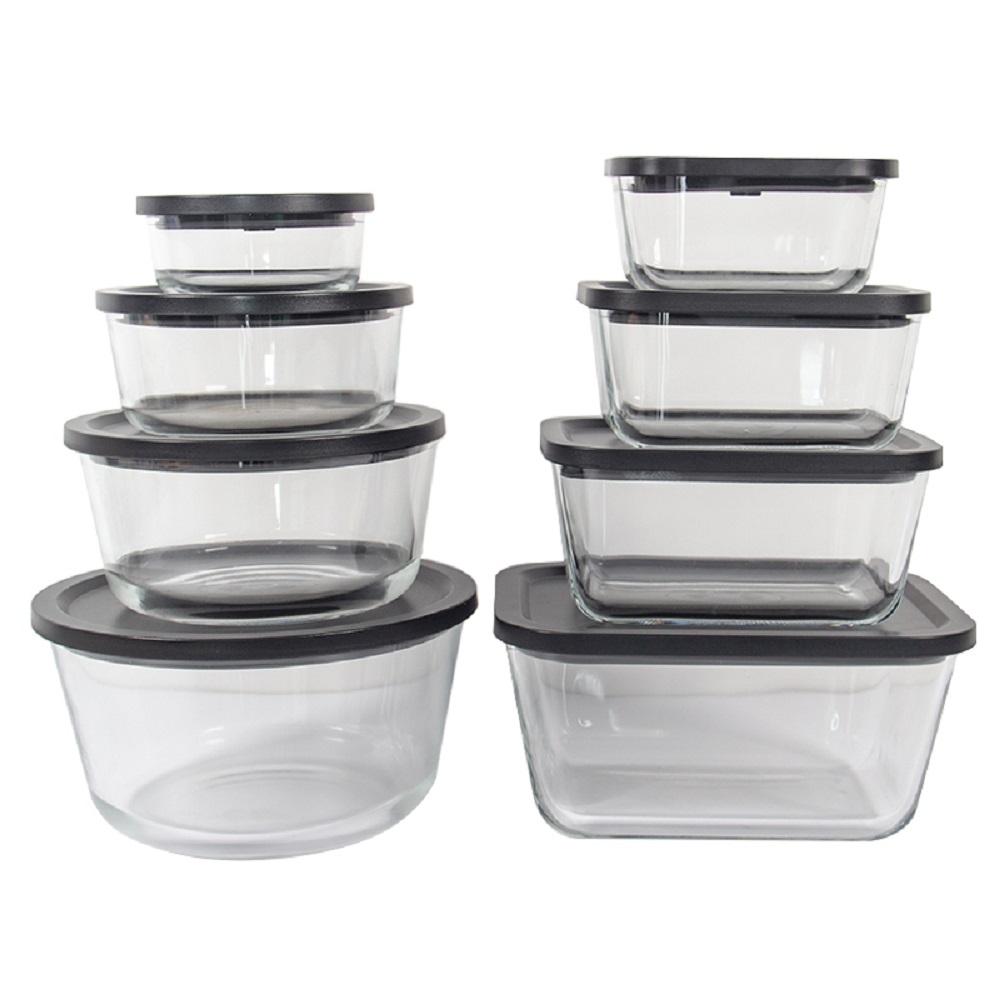
Buyers frequently hesitate at the high initial price point of glass systems compared to standard plastic containers or disposable vacuum bags. Evaluating the true cost requires looking past the initial transaction and analyzing the operational lifespan of the equipment in a working kitchen.
The upfront cost is offset by substantial long-term savings. The primary advantage is the complete elimination of recurring consumable bag costs. Disposable vacuum bags represent a continuous financial drain and generate significant single-use plastic waste. Furthermore, glass vacuum seal containers prevent the chemical leaching associated with heating plastics. They offer true microwave and oven safety, allowing users to store, heat, and serve from a single vessel without transferring food between different bowls.
The drawbacks are primarily physical. Glass carries a heavier physical footprint and demands more careful handling to avoid breakage. Dropping a glass container on a tile floor results in total loss. Additionally, the mechanical lids require manual maintenance. Valves and silicone gaskets must be kept pristine to maintain negative pressure over time. If you neglect gasket cleaning, the system fails.
The break-even point is typically achieved within the first year of deployment. By tracking the reduction of spoiled premium groceries—such as wilted organic greens, oxidized avocados, and molded berries—users quickly recoup the initial capital outlay. When combined with the savings from halting vacuum sealer bag purchases, the ROI becomes decidedly positive for anyone managing a high volume of fresh ingredients.
The market offers distinct approaches to achieving negative pressure in glass. Selecting the right system depends on workflow preferences, storage space, and budget. You must match the hardware to your daily kitchen operations.
Purpose-built vacuum containers feature built-in silicone valves integrated directly into the lid architecture. These systems are designed for rapid daily use, offering excellent stackability and uniform aesthetics. The seal consistency is generally high, as the gaskets are engineered specifically for the container's rim. You press a button or attach a pump directly to the lid, and the system seals in seconds.
Conversely, traditional mason jars can be modified using vacuum sealer hood attachments. This approach utilizes existing, inexpensive glass jars. While highly cost-effective, mason jars lack the stackability and wide-mouth convenience of purpose-built rectangular containers. The two-piece metal lids dent or rust over time, requiring periodic replacement to maintain a reliable seal. Digging food out of a narrow jar neck also slows down prep work.
Feature | Integrated Valve Containers | Mason Jar Attachments |
|---|---|---|
Initial Cost | Higher | Lower (if jars are already owned) |
Stackability | Excellent (modular designs) | Poor (vertical stacking is unstable) |
Ease of Daily Access | High (quick release valves) | Moderate (requires hood re-application) |
Durability of Lid | High (heavy-duty plastics/silicone) | Low (metal lids bend and rust) |
Operational trade-offs exist between manual and electric evacuation methods. Manual hand pumps offer ultimate portability and require no batteries or charging. They are highly reliable due to their mechanical simplicity. However, achieving maximum vacuum pressure requires physical effort, and the final pressure threshold is subjective and variable. You stop pumping when your arm gets tired, not necessarily when the optimal vacuum is reached.
Electric vacuum systems provide consistent, measurable pressure thresholds. Automated pumps extract air until a specific negative pressure is reached, then shut off automatically. This guarantees optimal preservation conditions every time. Buyers must consider ecosystem lock-in; many electric pumps utilize proprietary valve designs, restricting users to a single brand's containers. Universal adapters offer more flexibility but may compromise seal efficiency if the fit is not perfectly flush.
Not all glass is manufactured equally. The chemical composition of the vessel dictates its operational limits, particularly concerning temperature fluctuations and durability. Buying the wrong type of glass limits how you can use the containers.
Standard soda-lime glass, commonly used in cheap storage containers and beverage bottles, expands and contracts rapidly when exposed to temperature changes. Moving a soda-lime container directly from a cold refrigerator to a hot microwave often results in catastrophic shattering. The internal stress of uneven heating tears the glass apart.
Borosilicate glass incorporates boron trioxide into the silica mix. This addition drastically lowers the material's coefficient of thermal expansion. Investing in borosilicate vacuum containers is mandatory for users intending to freeze meals and reheat them directly. The material withstands extreme thermal shock, moving safely from sub-zero freezer environments to high-heat ovens without compromising structural integrity.
Glass is fundamentally superior to plastic regarding chemical inertness. Plastic vacuum containers, even high-end Tritan models, absorb strong odors from curries or garlic over time. They are also susceptible to staining from tomato-based sauces. More critically, acidic foods stored in plastic over long durations risk accelerating the leaching of microplastics or endocrine disruptors into your meals.
Glass remains entirely non-porous. It will never absorb odors, retain stains, or leach chemicals into the food supply, regardless of the acidity or duration of storage. This inertness guarantees that the flavor profile of the stored ingredients remains unadulterated, even after months of contact.
Implementing a glass-based system requires acknowledging physical constraints. Glass is significantly heavier than plastic, which impacts the load-bearing capacity of refrigerator shelves and pantry racks. The thicker walls of glass containers also consume more volumetric space than thin plastic bags.
Scaling a storage system requires auditing available fridge and pantry real estate. Users should prioritize modular, nesting designs that maximize vertical space. Budget constraints often dictate a phased approach, starting with a core set for high-value perishable proteins and expanding into dry goods storage over time.
The efficacy of any vacuum system relies entirely on the integrity of the seal. Understanding how seals fail allows users to implement preventative maintenance and ensure long-term functionality. A vacuum container that cannot hold a vacuum is just an expensive bowl.
Containers lose suction over time due to several preventable factors. Microscopic food debris, such as flour dust or sugar crystals, settles on the silicone gasket, creating a minute pathway for air to re-enter. Temperature fluctuations also cause pressure changes. Moving a sealed container from a warm counter to a cold refrigerator causes the internal gases to contract, which sometimes unseats a poorly positioned valve. Finally, natural off-gassing from unblanched vegetables slowly replaces the extracted air with carbon dioxide, breaking the vacuum from the inside out.
Actionable protocols prevent premature failure. Always inspect the rim of the glass and the silicone gasket before sealing. Wipe both surfaces with a clean, damp cloth to remove invisible particulates. Ensure the gasket is seated flat within its channel without twists or pinches.
Leaving adequate headspace, known as ullage, is critical. You must leave at least one inch of empty space between the food and the vacuum valve. If a container is overfilled, the negative pressure pulls liquids or fine powders upward. Aspirating liquid into the pump mechanism destroys electric pumps and permanently fouls the delicate silicone check valves in the lid.
Proper cleaning procedures ensure the system lasts long enough to realize its ROI. The glass bases of Vacuum Glass Food Containers are universally dishwasher safe. However, the mechanical lids require strict hand-washing. Exposing the internal springs, valves, and gaskets to the high heat and abrasive detergents of a dishwasher accelerates degradation. Wash lids in warm soapy water, rinse thoroughly, and allow them to air dry completely before reassembly to prevent trapped moisture from fostering mold growth inside the valve housing.
Conduct a two-week audit of your household or commercial food waste to identify which specific perishables are costing you the most money.
Calculate the required container volumes based on your weekly purchasing habits for those high-waste items.
Purchase a starter set featuring an electric pump to establish a consistent baseline for pressure testing.
Designate a dark, cool pantry space specifically for long-term vacuum storage of light-sensitive dry goods.
A: No. While excellent for most foods, you must avoid vacuum sealing raw garlic, raw onions, and soft cheeses due to the risk of anaerobic botulism. Additionally, cruciferous vegetables like broccoli and cabbage emit gases that break the vacuum; they must be blanched before sealing.
A: Vacuum sealing extends the refrigerated life of raw meat from the standard 2 to 3 days up to approximately 7 to 10 days. The lack of oxygen slows bacterial growth and prevents the meat from oxidizing and turning brown.
A: Yes, provided they are made of borosilicate glass. Borosilicate resists thermal shock and prevents shattering. Vacuum sealing in the freezer eliminates the air pocket around the food, completely preventing freezer burn and extending shelf life to 1-2 years.
A: Suction loss is usually caused by microscopic debris on the silicone gasket, an unblanched vegetable off-gassing, or extreme temperature shifts causing the gasket to contract. Always wipe the rim clean and ensure adequate headspace before sealing.
A: Generally, no. While the glass bases are dishwasher safe, the mechanical lids contain delicate silicone valves and gaskets. The high heat and harsh detergents of a dishwasher warp the silicone and degrade the vacuum mechanism over time. Hand wash lids only.
A: Ullage is the empty headspace between the food and the lid. You must leave at least one inch of ullage. If overfilled, the vacuum pump sucks liquids or powders into the valve, destroying the seal mechanism and potentially ruining the pump.
A: Yes. For long-term dry storage, adding an oxygen absorber before pulling the vacuum acts as a redundancy. It ensures that if a micro-leak occurs in the valve over several years, the internal environment remains completely oxygen-free.


